
If you drink alcohol, you'll likely get drunk. It's pretty simple. But what's not so clear is why this happens. What actually causes the symptoms of being 'drunk'?
Ethanol the Infiltrator
 Alcohol as we drink it is typically ethanol - a very special little molecule that, due to it's tiny size, can easily slip throughout our bodies to work it's mischief. Ethanol is made up of only six hydrogen atoms, one oxygen atom and two carbon atoms. It's water soluable, and so has a relatively easy route straight into our blood streams if the stomach and intestines don't help to absorb it. While also somewhat fat soluble, interestingly the body fat content of the drinker can have an affect on how they handle their drink. Those with more body fat typically suffer from worse hangovers the next day, which is why women are typically reported to have less tolerance for alcohol than men. Typically smaller body sizes don't help much either.
So what does ethanol do to make us 'drunk'?
Genrally when you drink some 80% will head into your small intestine, but 20% or so can be absorbed through your stomach walls and straight into your bloodstream. if you have a full stomach this tends to slow down the absorption. Once ethanol is in your bloodstream it gets to work mainly as an inhibitor, flooding up into your brain and interfering with neurotransmitters. When it hits the central nervous system the symptoms of drunkenness like loss of control or vomiting start to take effect.
 As it makes its way around your brain it usually first lingers in the cerebral cortex and slows things down, meaning that the areas that it's responsible for start to be affected. the cerebral cortex handles things like your behaviour, cognitive 'higher' thinking, and muscle movements. As things slow down you might feel less inhibited, which is often why you might find yourself operating at 'base level' and going after things that normally anxiety or common sense might regulate. For example, that third helping of greasy fish and chips might sure look good, or unprotected sex might suddenly seem like a good idea. The slower reactions physically are responsible for the alterations in vision as you process your environment more sluggishly, and why you're generally less sensitive to pain or touch in general.Overall, it's going to take a lot more effort to focus.
If ethanol reaches your limbic system you'll notice that your emotions are effected. This is generally why it's ill advised to drink when you're in a bad mood, as the limbic system typically controls your emotions. With this out of the picture, you'll usually find that your emotions are exaggerated, with intense highs and lows. This, matched up with the blocking of most of your inhibitions, is usually why people tend to get into fights while drunk.
As you drink more and more, more and more of your brain if effected. if it gets deep enough, into the medulla, then you're going to have serious issues. The medulla is the part of your brain that coordinates the things that you do 'without thinking'. If things slow down here you get sleepy and will, eventually, pass out. And quite possibly pee yourself.
Ok then: explain "breaking the seal"
 Speaking on peeing yourself, most drinkers will know of the phenomenon of 'breaking the seal': that is, as soon as you start going to the toilet for a pee on a night out drinking, you'll be going every two minutes thereafter. Why is this?
Well one explanation is rather obvious: you're drinking loads of the stuff in one short sitting. For example I like cider and I'll usually grab a few pints on a night out (because they sell them in pints. And I like looking 'manly' with a big pint glass. Why yes I am an idiot.). Now think of the size of a pint glass. Having trouble contextualising it? Try imagining it as pints of milk instead. Yeah, it seems like quite a lot. kind of gross actually. No wonder our bladder is howling.
Another reason for the dodgy bladder control is down to ethanol affecting your pituitary gland. Here it slows down or stops the production of ADH - the Anti-diuretic hormone. This hormone tells your kidneys to conserve water and without it the liquid basically passes right through you. This is also the reason why, despite drinking pints of boozy liquid, you can end up badly dehydrated. So keep drinking normal water along with your alcohol to try and offset this.
And hangovers?
Hangovers are fairly easy to understand if you acknowledge that it's your body's response to you quite literally poisoning yourself. No wonder you feel like crap, you know? But the body is a resilient beast and while it'll be putting you through the ringer as it does, its hangover is a way of curing itself.
For example headaches are generally due to the aforementioned dehydration as your body tries to restore fluid levels. It narrows your blood vessels which restricts the flow of blood and oxygen to your brain. The brain overcompensates in response, dilating its blood vessels and swelling, and the pain receptors in the brain lining start to inform you of the process...painfully. The older you are, the less water you have in your system to begin with, which can make things worse as the alcohol isn't diluted easily.
 You might get stomach ache due to the irritation of your stomach and intestine walls (due to the ethanol merrily making its way through them), which causes swelling. This swelling delays the stomach's normal 'emptying' process, which causes a build up of gastric acids and that, combined with the delightful kebab you had the night before, can lead of nausea and vomiting. In addition your body's immune system is responding to an attempted poisoning, so evacuating the toxins in every way it know how seems a sensible option. That's another reason why you might find you lose some control over what comes out of you from either end.
Finally there is evidence that the immune system also produces high levels ot cytokines in their attempt to clean you up from 'infection'. If these levels are abnormally high sometimes it can even affect memory, which is one possible cause why some people can't remember the night before if the drinking was heavy enough.
While it offers a fascinating window into how your body works the hangover is clearly not pleasant, and has been scientifically proven to get worse as we get older, with age 29 being recognised as the time when things get really tough after a night on the tiles.
Now, of course, the disclaimer.
Look: alcohol is a drug that has been deliberately manufactured and cultivated by humans over thousands of years because it makes us feel good. Really we're no different to those lemurs who bite down on millipedes to get high as a kite, and it's natural. But, as you can see above, it can seriously screw with your body and mind and lead to short term and long term health problems. If in doubt, ask Frank - they're a really great resource that doesn't patronise you. My advice? Know your limits, keep your friends around you, always zip a £20 into a separate bit of your bag so you can afford a taxi home, and drink plenty of water - ideally one soft drink between each alcoholic drink. Keep safe out there guys.
Sources
- Drinking & you
- Frank.com
- 8 reasons hangovers really do get worse with age - the Telegraph
- The molecular circus: Your body and how alcohol gets your drunk
- why do we get drunk? (how it works magazine)
-Why do we get hangovers? IFL science
Ethanol the Infiltrator
 Alcohol as we drink it is typically ethanol - a very special little molecule that, due to it's tiny size, can easily slip throughout our bodies to work it's mischief. Ethanol is made up of only six hydrogen atoms, one oxygen atom and two carbon atoms. It's water soluable, and so has a relatively easy route straight into our blood streams if the stomach and intestines don't help to absorb it. While also somewhat fat soluble, interestingly the body fat content of the drinker can have an affect on how they handle their drink. Those with more body fat typically suffer from worse hangovers the next day, which is why women are typically reported to have less tolerance for alcohol than men. Typically smaller body sizes don't help much either.
So what does ethanol do to make us 'drunk'?
Genrally when you drink some 80% will head into your small intestine, but 20% or so can be absorbed through your stomach walls and straight into your bloodstream. if you have a full stomach this tends to slow down the absorption. Once ethanol is in your bloodstream it gets to work mainly as an inhibitor, flooding up into your brain and interfering with neurotransmitters. When it hits the central nervous system the symptoms of drunkenness like loss of control or vomiting start to take effect.
 As it makes its way around your brain it usually first lingers in the cerebral cortex and slows things down, meaning that the areas that it's responsible for start to be affected. the cerebral cortex handles things like your behaviour, cognitive 'higher' thinking, and muscle movements. As things slow down you might feel less inhibited, which is often why you might find yourself operating at 'base level' and going after things that normally anxiety or common sense might regulate. For example, that third helping of greasy fish and chips might sure look good, or unprotected sex might suddenly seem like a good idea. The slower reactions physically are responsible for the alterations in vision as you process your environment more sluggishly, and why you're generally less sensitive to pain or touch in general.Overall, it's going to take a lot more effort to focus.
If ethanol reaches your limbic system you'll notice that your emotions are effected. This is generally why it's ill advised to drink when you're in a bad mood, as the limbic system typically controls your emotions. With this out of the picture, you'll usually find that your emotions are exaggerated, with intense highs and lows. This, matched up with the blocking of most of your inhibitions, is usually why people tend to get into fights while drunk.
As you drink more and more, more and more of your brain if effected. if it gets deep enough, into the medulla, then you're going to have serious issues. The medulla is the part of your brain that coordinates the things that you do 'without thinking'. If things slow down here you get sleepy and will, eventually, pass out. And quite possibly pee yourself.
Ok then: explain "breaking the seal"
 Speaking on peeing yourself, most drinkers will know of the phenomenon of 'breaking the seal': that is, as soon as you start going to the toilet for a pee on a night out drinking, you'll be going every two minutes thereafter. Why is this?
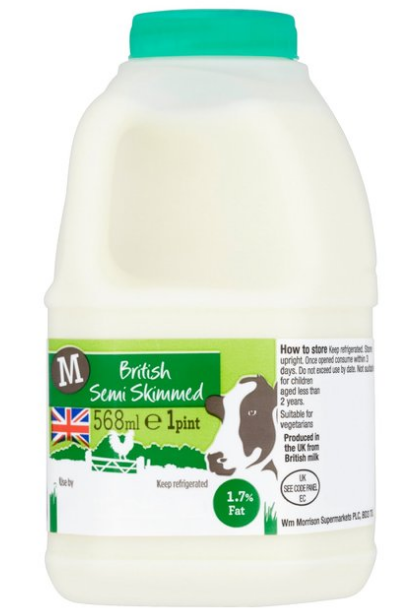
Well one explanation is rather obvious: you're drinking loads of the stuff in one short sitting. For example I like cider and I'll usually grab a few pints on a night out (because they sell them in pints. And I like looking 'manly' with a big pint glass. Why yes I am an idiot.). Now think of the size of a pint glass. Having trouble contextualising it? Try imagining it as pints of milk instead. Yeah, it seems like quite a lot. kind of gross actually. No wonder our bladder is howling.
Another reason for the dodgy bladder control is down to ethanol affecting your pituitary gland. Here it slows down or stops the production of ADH - the Anti-diuretic hormone. This hormone tells your kidneys to conserve water and without it the liquid basically passes right through you. This is also the reason why, despite drinking pints of boozy liquid, you can end up badly dehydrated. So keep drinking normal water along with your alcohol to try and offset this.
And hangovers?
Hangovers are fairly easy to understand if you acknowledge that it's your body's response to you quite literally poisoning yourself. No wonder you feel like crap, you know? But the body is a resilient beast and while it'll be putting you through the ringer as it does, its hangover is a way of curing itself.
For example headaches are generally due to the aforementioned dehydration as your body tries to restore fluid levels. It narrows your blood vessels which restricts the flow of blood and oxygen to your brain. The brain overcompensates in response, dilating its blood vessels and swelling, and the pain receptors in the brain lining start to inform you of the process...painfully. The older you are, the less water you have in your system to begin with, which can make things worse as the alcohol isn't diluted easily.
 You might get stomach ache due to the irritation of your stomach and intestine walls (due to the ethanol merrily making its way through them), which causes swelling. This swelling delays the stomach's normal 'emptying' process, which causes a build up of gastric acids and that, combined with the delightful kebab you had the night before, can lead of nausea and vomiting. In addition your body's immune system is responding to an attempted poisoning, so evacuating the toxins in every way it know how seems a sensible option. That's another reason why you might find you lose some control over what comes out of you from either end.
Finally there is evidence that the immune system also produces high levels ot cytokines in their attempt to clean you up from 'infection'. If these levels are abnormally high sometimes it can even affect memory, which is one possible cause why some people can't remember the night before if the drinking was heavy enough.
While it offers a fascinating window into how your body works the hangover is clearly not pleasant, and has been scientifically proven to get worse as we get older, with age 29 being recognised as the time when things get really tough after a night on the tiles.
Now, of course, the disclaimer.
Look: alcohol is a drug that has been deliberately manufactured and cultivated by humans over thousands of years because it makes us feel good. Really we're no different to those lemurs who bite down on millipedes to get high as a kite, and it's natural. But, as you can see above, it can seriously screw with your body and mind and lead to short term and long term health problems. If in doubt, ask Frank - they're a really great resource that doesn't patronise you. My advice? Know your limits, keep your friends around you, always zip a £20 into a separate bit of your bag so you can afford a taxi home, and drink plenty of water - ideally one soft drink between each alcoholic drink. Keep safe out there guys.
Sources
- Drinking & you
- Frank.com
- 8 reasons hangovers really do get worse with age - the Telegraph
- The molecular circus: Your body and how alcohol gets your drunk
- why do we get drunk? (how it works magazine)
-Why do we get hangovers? IFL science


![[Source]](https://en.wikipedia.org/wiki/Evidence_of_common_descent#/media/File:Evolution_pl.png)
![[Source]](https://en.wikipedia.org/wiki/Recurrent_laryngeal_nerve#/media/File:Recurrent_laryngeal_nerve.svg)
